Reputation Management
Effortlessly and accurately track the web and social network impact of your brand

Why Visibrain
Our Coverage
The best coverage across the web and social networks
Our Technology
Our intuitive interface uses cutting-edge technology
Our Support
Our team is with you every step of the way
Featured
5 Easy Steps to choose the Right Social Listening Tool

Learn more
Our clients
Brands
Visibrain for brands
Institutions & Local Authorities
Visibrain for institutions and local authorities
Agencies
Visibrain for agencies
Success Stories
Discover how our clients use Visibrain
Client stories
How LVMH is using LinkedIn monitoring to boost its influence with Visibrain

Read the case study
Resources
Blog
Stay up to date
White Papers
Studies, industry analysis and advanced insights
Case studies
Our client stories
Help center
Guides and resources for users
Newsletter
Stay up to date with the latest Visibrain news!
Webinars
Our upcoming webinars.
Our Last Study
PR Crises in the AI Era

Download the full guide
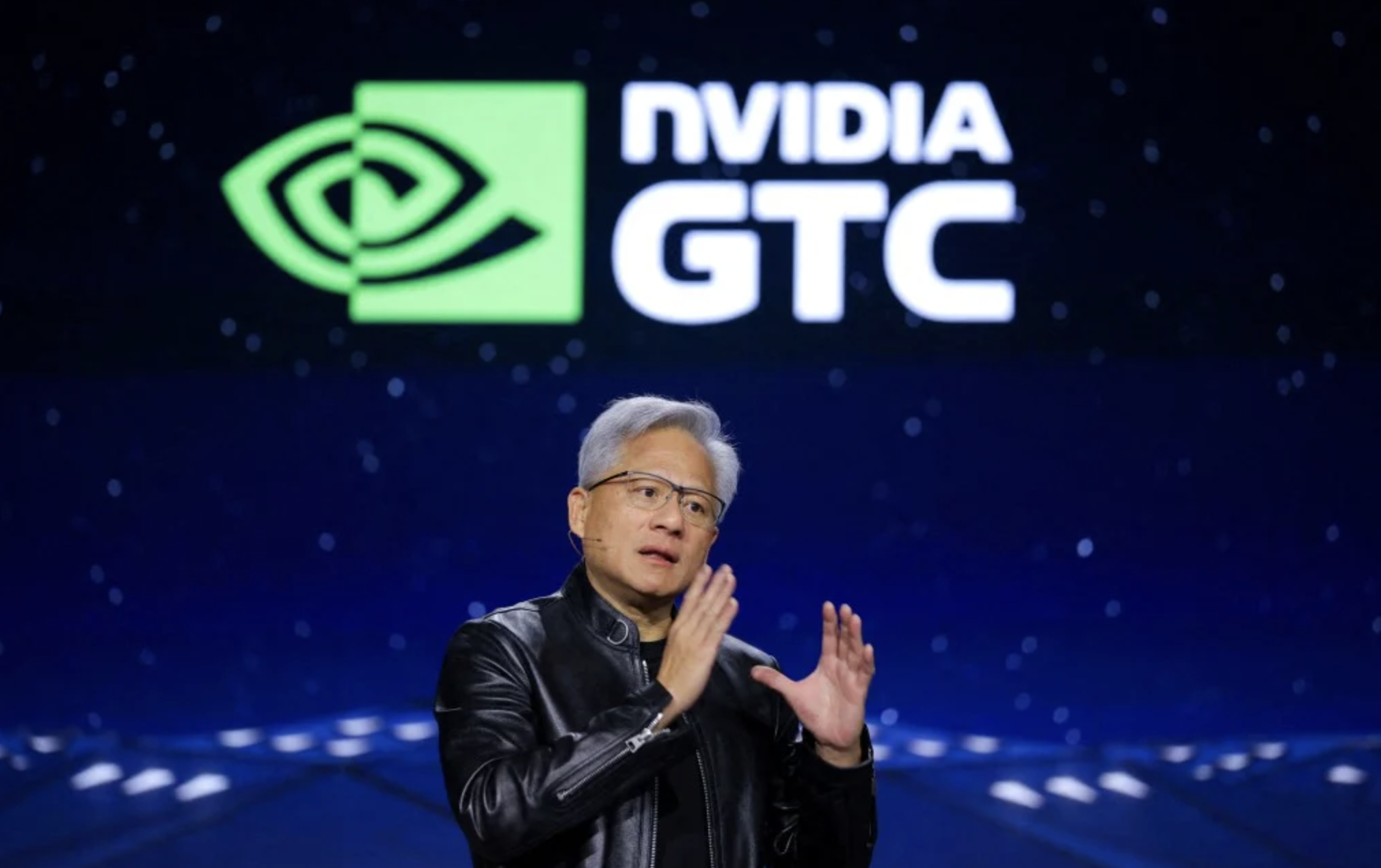
The initial announcement was shared via X, positioning DLSS 5 as a major leap forward in AI-generated graphics:
While the messaging emphasised innovation and photorealism, the response online was immediate and intense.
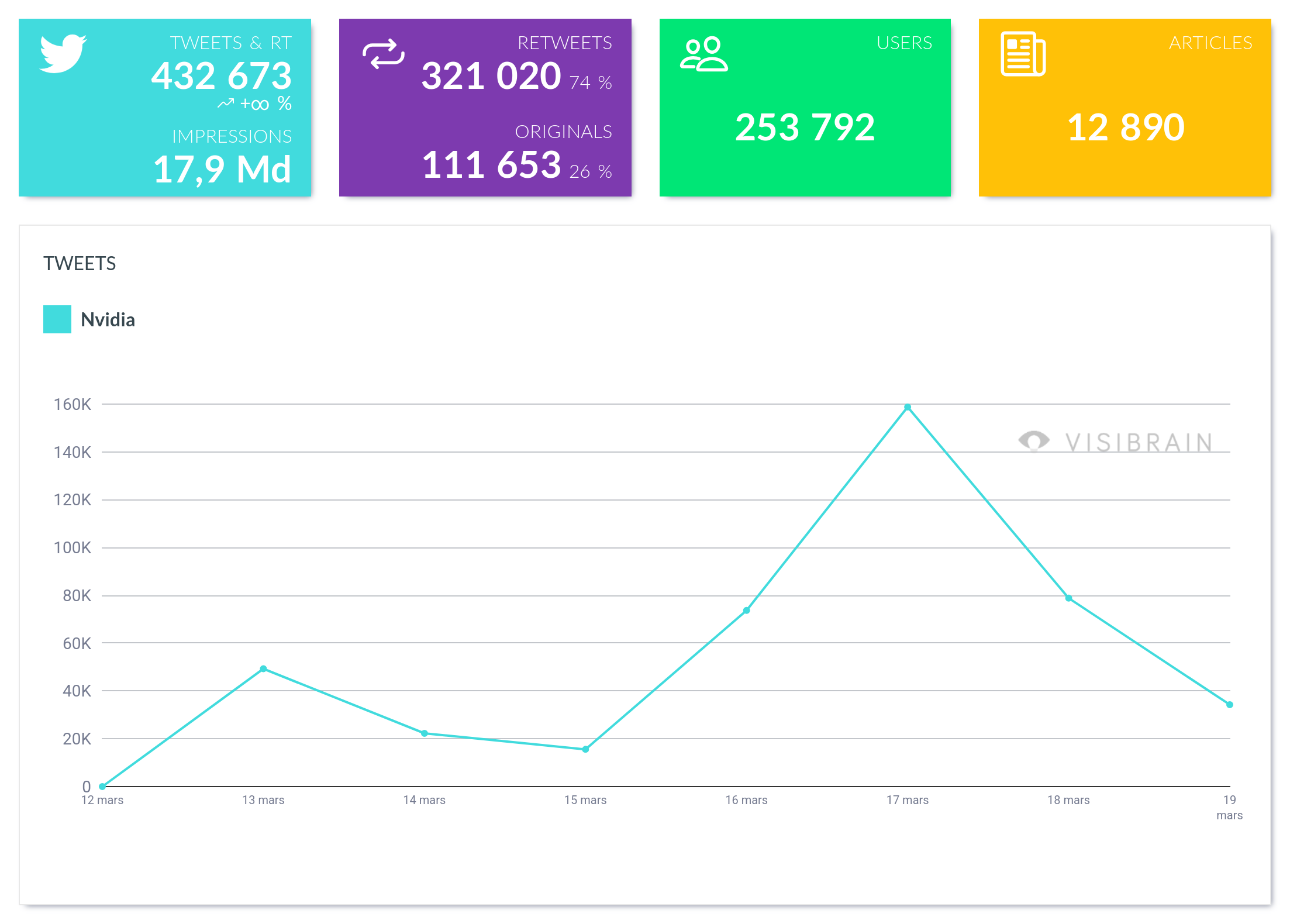
This level of activity signals a high-impact launch moment, but also an early indicator of potential volatility. Rather than controlled amplification, the conversation quickly became decentralised and community-driven.
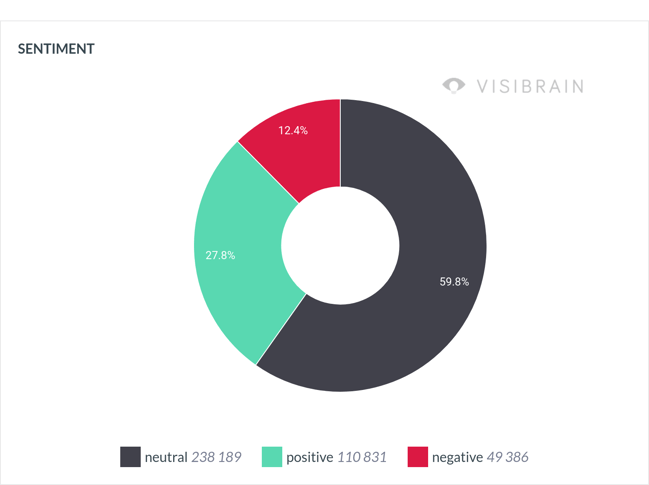
One of the clearest indicators of crisis emergence is a sudden change in sentiment.
Prior to the announcement, conversations around Nvidia typically carried a low negative sentiment rate of around 3%. Following the DLSS 5 reveal, this figure rose sharply to 12.3%. This fourfold increase reflects a rapid deterioration in perception, driven not by technical analysis alone, but by user interpretation and visual reactions.
The language used across posts also shifted noticeably, with terms such as:
This evolution highlights a key dynamic in digital crises: audiences do not simply react, they reframe the narrative.
On TikTok, the backlash took on a highly visual and viral form. Several posts reached significant engagement levels:
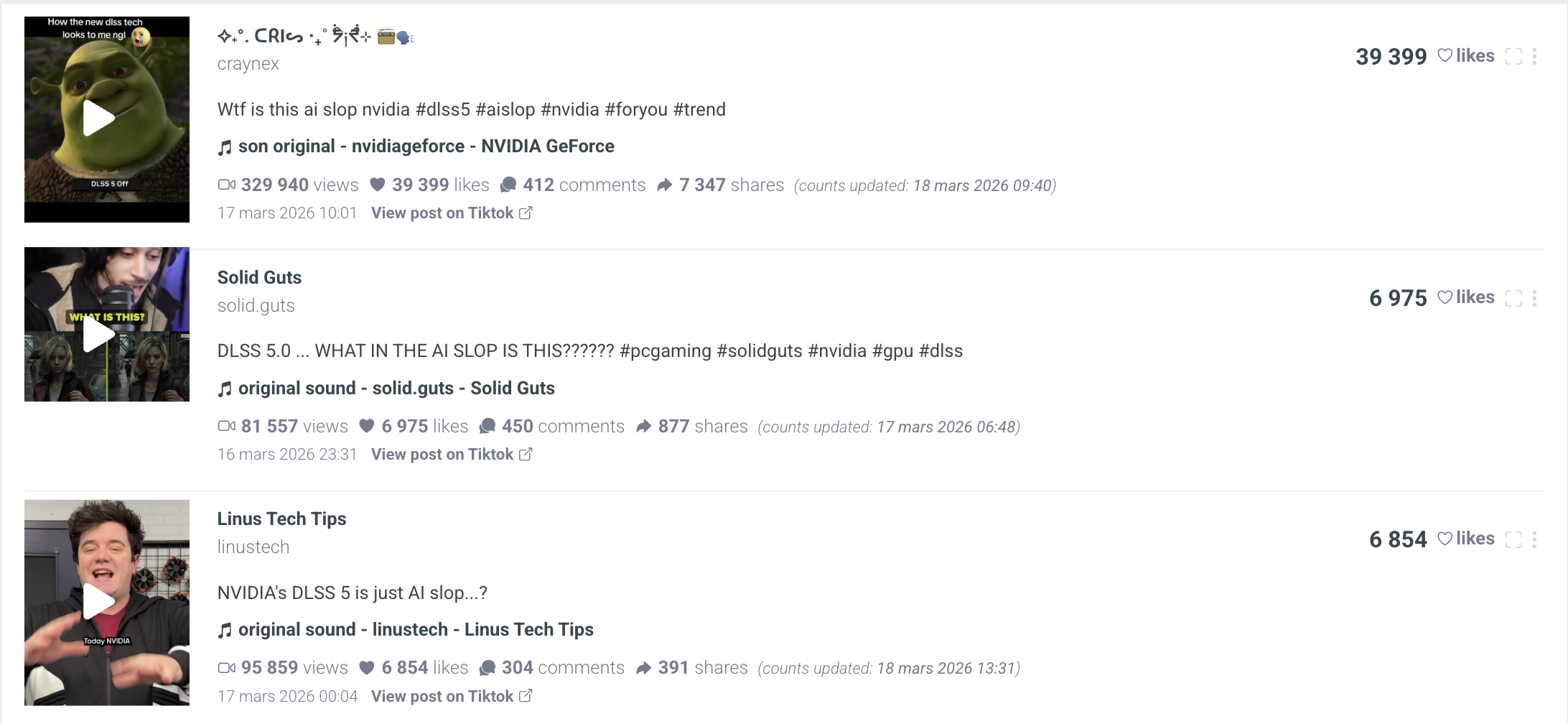
What stands out is the tone: rather than technical critique, creators leaned into humour and disbelief, frequently using phrases like “AI slop” to describe the output. This format accelerates reach. Visual proof combined with humour lowers the barrier to engagement, allowing criticism to spread beyond core tech audiences.

On X, the conversation scaled rapidly and took on a dual dynamic: meme-driven virality alongside credible media critique.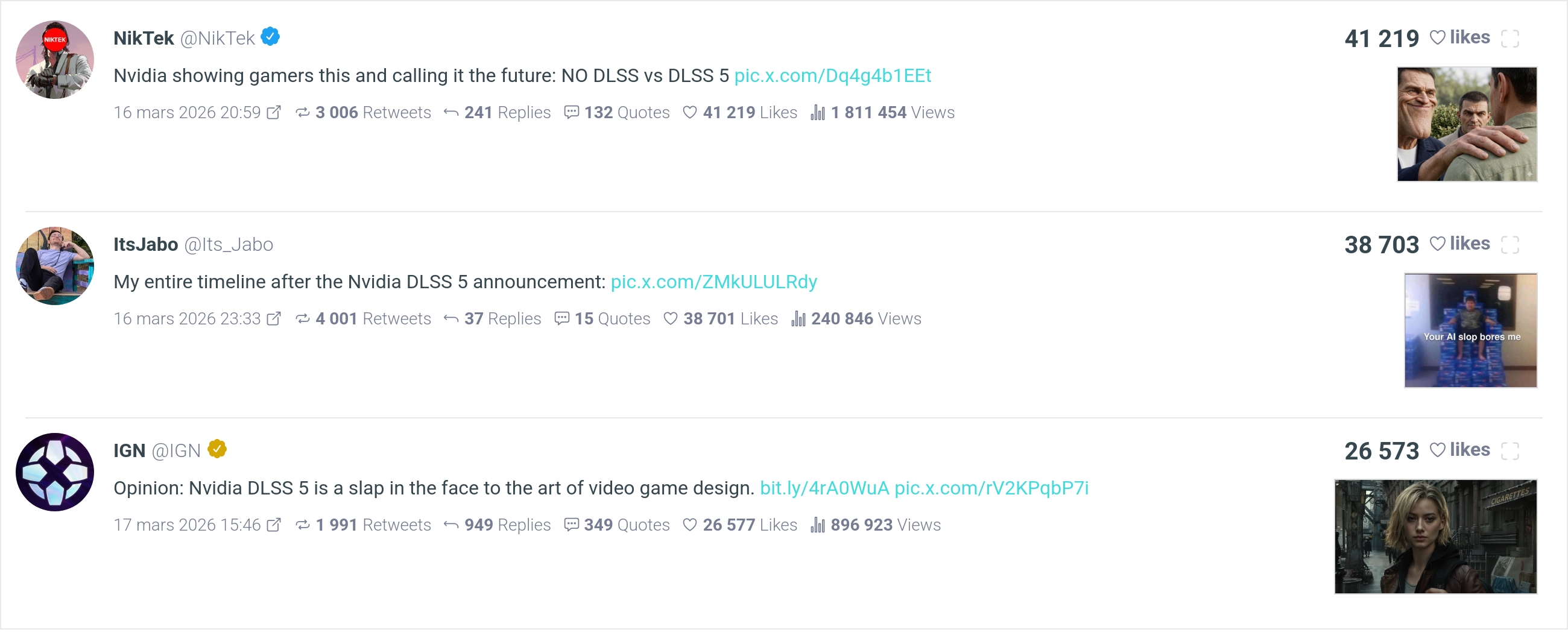
Meme posts consistently generated the highest engagement, with several exceeding 40,000 likes, demonstrating how humour accelerates the spread of criticism. However, the backlash was not limited to memes. It was reinforced by authoritative voices within the gaming ecosystem. Notably, IGN published an opinion describing DLSS 5 as “a slap in the face to the art of video game design”.
This combination is critical. Memes drive reach, but media validation legitimises the criticism, allowing it to move beyond online communities into broader industry discourse. As a result, the narrative was not only widespread but also credible, making it significantly more challenging for Nvidia to regain control of the conversation.
The DLSS 5 controversy illustrates how quickly a product launch can evolve into a reputational challenge in the age of real-time social media.
Despite being positioned as a technological breakthrough, the feature was rapidly reinterpreted by online gaming communities, who prioritised perceived authenticity over technical innovation.
Three key lessons emerge:
For PR and marketing teams, this case reinforces the importance of social listening. Tools like Visibrain enable brands to detect early signals, understand narrative shifts, and respond before criticism reaches critical mass.
In an environment where audiences actively shape perception, a great monitoring tool is essential.
Newsletter
.png?width=1090&height=1330&name=CTA%20newsletter%20(1).png)