Reputation Management
Effortlessly and accurately track the web and social network impact of your brand

Why Visibrain
Our Coverage
The best coverage across the web and social networks
Our Technology
Our intuitive interface uses cutting-edge technology
Our Support
Our team is with you every step of the way
Featured
5 Easy Steps to choose the Right Social Listening Tool

Learn more
Our clients
Brands
Visibrain for brands
Institutions & Local Authorities
Visibrain for institutions and local authorities
Agencies
Visibrain for agencies
Success Stories
Discover how our clients use Visibrain
Client stories
How LVMH is using LinkedIn monitoring to boost its influence with Visibrain

Read the case study
Resources
Blog
Stay up to date
White Papers
Studies, industry analysis and advanced insights
Case studies
Our client stories
Help center
Guides and resources for users
Newsletter
Stay up to date with the latest Visibrain news!
Webinars
Our upcoming webinars.
Our Last Study
Employee Advocacy Tracking Toolkit

Download the full guide
One of the most notable changes on LinkedIn is the diversity of voices contributing to discussions. The platform is no longer limited to corporate communication or individual career updates. It has become a space where journalists, industry experts, content creators, and even activists participate in shaping narratives.
This convergence creates a hybrid environment where professional discourse intersects with broader societal conversations. As a result, posts that were once intended for a niche audience can quickly reach a much wider and more varied group of users. This amplification effect increases both the potential impact of content and the associated reputational risks.
For brands, this means that LinkedIn can no longer be treated as a controlled communication channel. It is now an open arena where multiple stakeholders influence how messages are received and interpreted.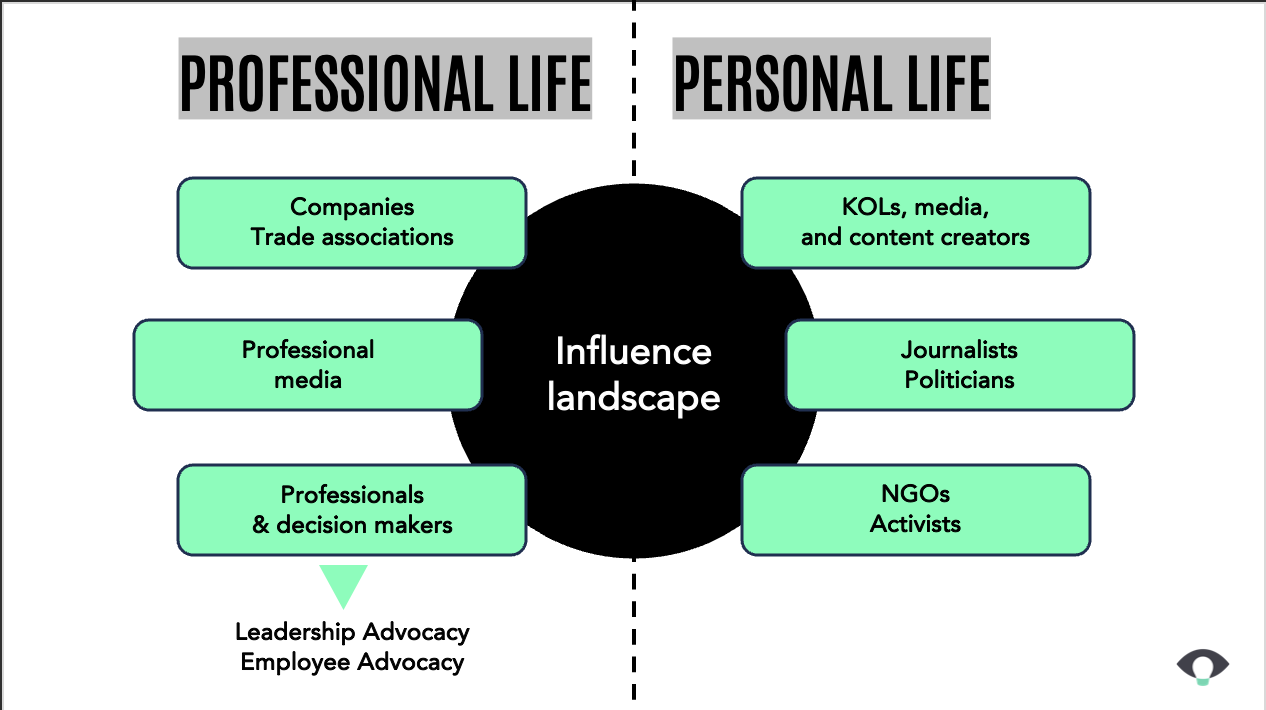
Social listening provides the analytical layer that LinkedIn strategies now require. Rather than focusing solely on visible engagement metrics such as likes or comments, it enables teams to access a more comprehensive view of what is happening across the platform.
By analysing conversations at scale, brands can identify emerging trends, track sentiment, and understand how their messaging is perceived. This deeper level of insight allows PR and marketing professionals to move from reactive communication to proactive strategy.
In a fast-moving environment where narratives can shift quickly, having access to real-time data is particularly valuable. It allows teams to detect potential issues early, adapt their messaging, and respond with greater precision.
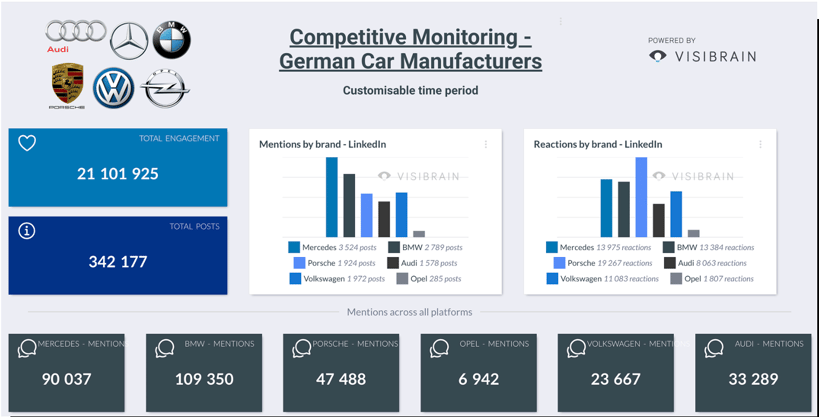
LinkedIn has become an increasingly competitive space, where brands are constantly vying for attention and authority. Social listening makes it possible to monitor this landscape in a structured and data-driven way.
By analysing competitor activity, teams can gain a clearer understanding of what types of content generate engagement, which topics resonate most with audiences, and how different brands position themselves. This goes beyond simple observation. It provides actionable insights that can inform content strategy, messaging, and overall positioning.
Instead of relying on assumptions or isolated examples, organisations can benchmark their performance against competitors and identify concrete opportunities for differentiation.

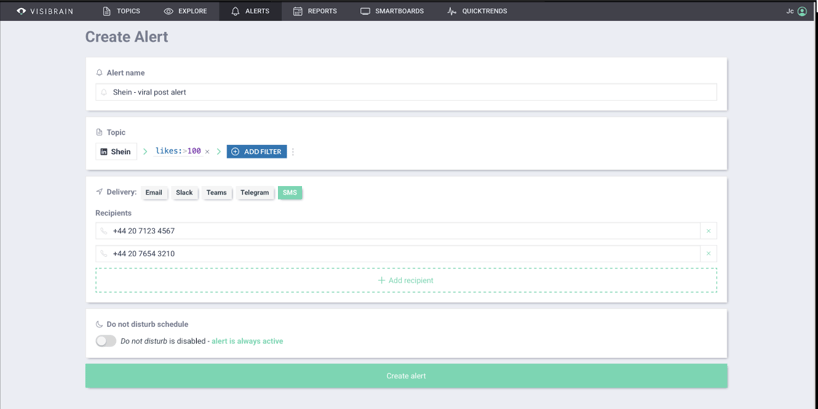
As LinkedIn becomes more conversational, it also becomes more unpredictable. Discussions can gain momentum quickly, particularly when they involve sensitive topics or strong opinions from influential voices.
For brands, this creates a need for continuous monitoring. Social listening tools enable teams to track all mentions of their organisation, analyse sentiment, and identify patterns in how their brand is being discussed. This is particularly important in situations where negative narratives begin to emerge, as early detection can significantly reduce potential impact.
In addition, having a centralised view of all relevant conversations allows teams to conduct deeper analysis, understand the context behind reactions, and make more informed decisions about how to respond.
Influence on LinkedIn operates differently from other platforms. It is less about mass reach and more about credibility, expertise, and relevance within a professional network.
Social listening helps identify the individuals who are genuinely shaping conversations within specific industries. These may include recognised experts, niche content creators, or professionals who consistently generate engagement on key topics.
By identifying these voices, brands can develop more targeted influencer strategies, focusing on quality rather than quantity. This approach is particularly effective for thought leadership initiatives, where credibility is a critical factor.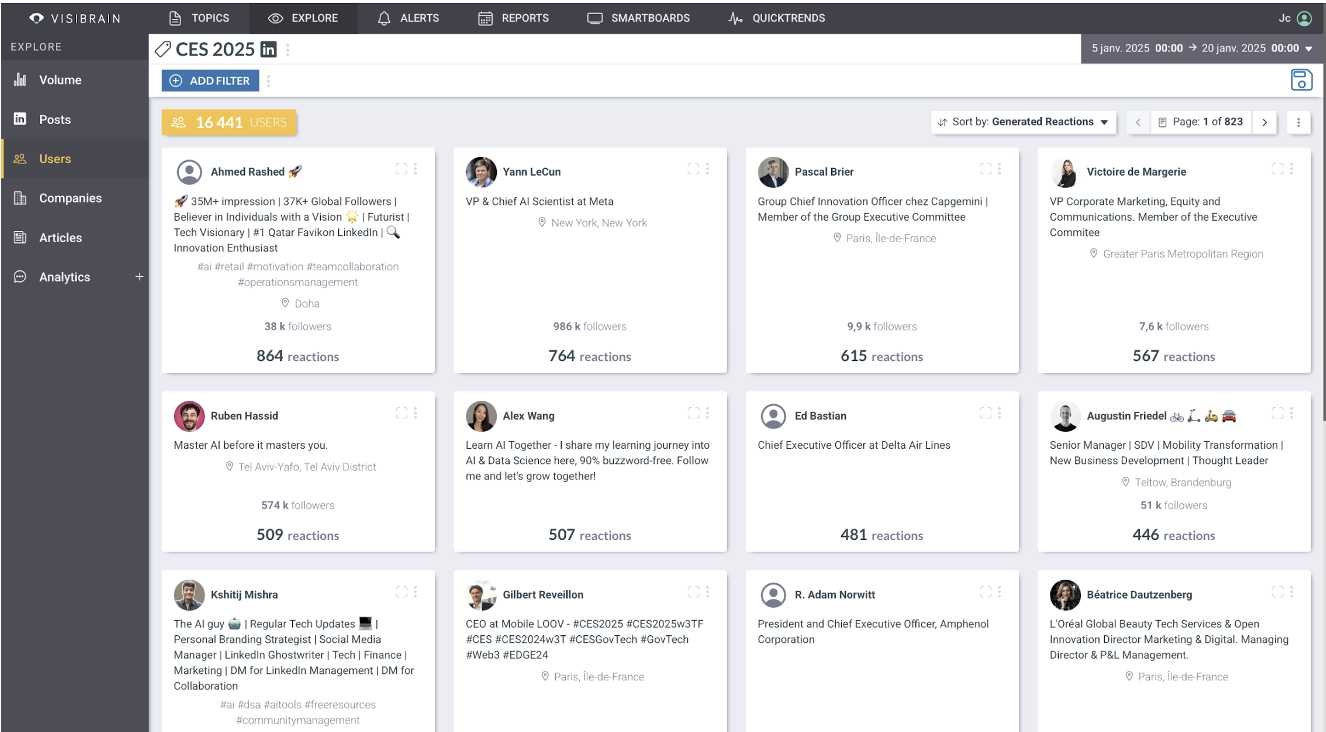
It also extends to employee advocacy. Many organisations already have influential voices within their own teams. Social listening can help surface these individuals and integrate them into a broader communication strategy.
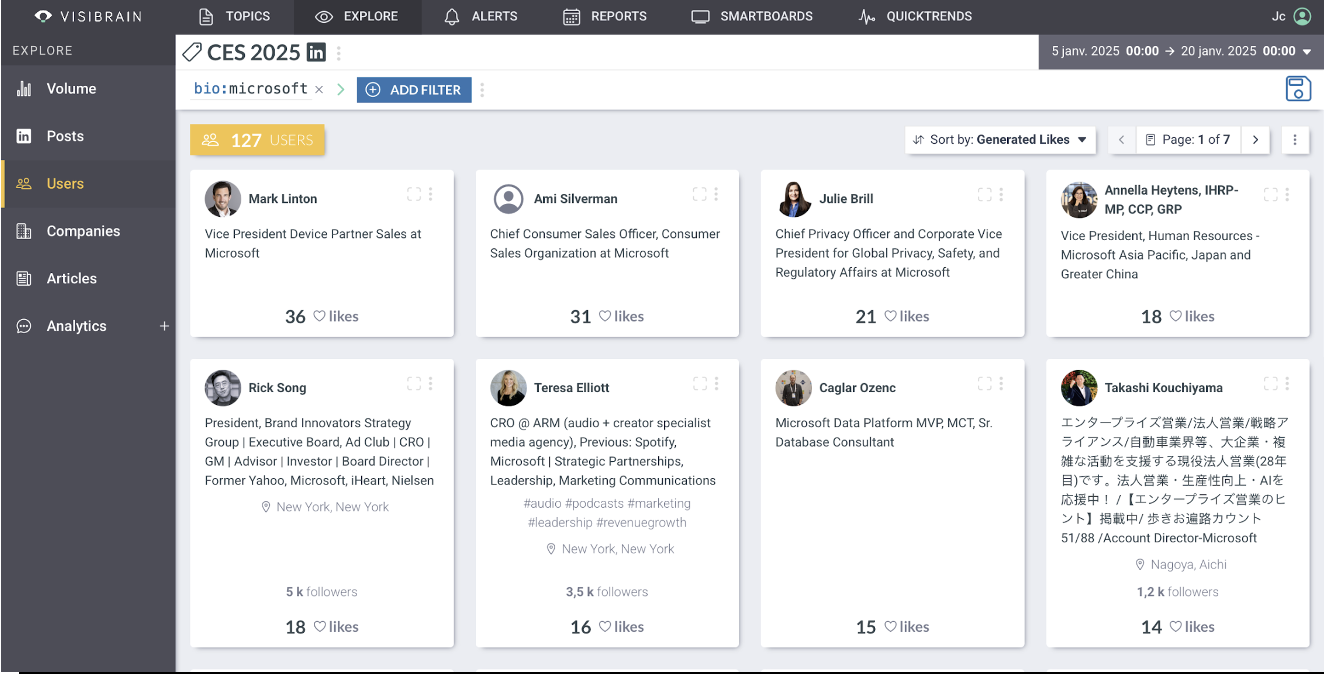
LinkedIn is no longer simply a platform for distributing corporate messages. It has become a complex and evolving ecosystem where brand perception is shaped in real time by a wide range of actors.
For PR and marketing teams, this means that success depends not only on creating content, but on understanding the broader context in which that content exists. Monitoring conversations, identifying signals, and responding effectively are now core components of any successful strategy.
Social listening enables this level of insight.
And as LinkedIn continues to grow in importance, it is becoming an indispensable tool for brands looking to move from visibility to genuine influence.
Newsletter
.png?width=1090&height=1330&name=CTA%20newsletter%20(1).png)