Reputation Management
Effortlessly and accurately track the web and social network impact of your brand

Why Visibrain
Our Coverage
The best coverage across the web and social networks
Our Technology
Our intuitive interface uses cutting-edge technology
Our Support
Our team is with you every step of the way
Featured
5 Easy Steps to choose the Right Social Listening Tool

Learn more
Our clients
Brands
Visibrain for brands
Institutions & Local Authorities
Visibrain for institutions and local authorities
Agencies
Visibrain for agencies
Success Stories
Discover how our clients use Visibrain
Client stories
How LVMH is using LinkedIn monitoring to boost its influence with Visibrain

Read the case study
Resources
Blog
Stay up to date
White Papers
Studies, industry analysis and advanced insights
Case studies
Our client stories
Help center
Guides and resources for users
Newsletter
Stay up to date with the latest Visibrain news!
Webinars
Our upcoming webinars.
Our Last Study
Employee Advocacy Tracking Toolkit

Download the full guide
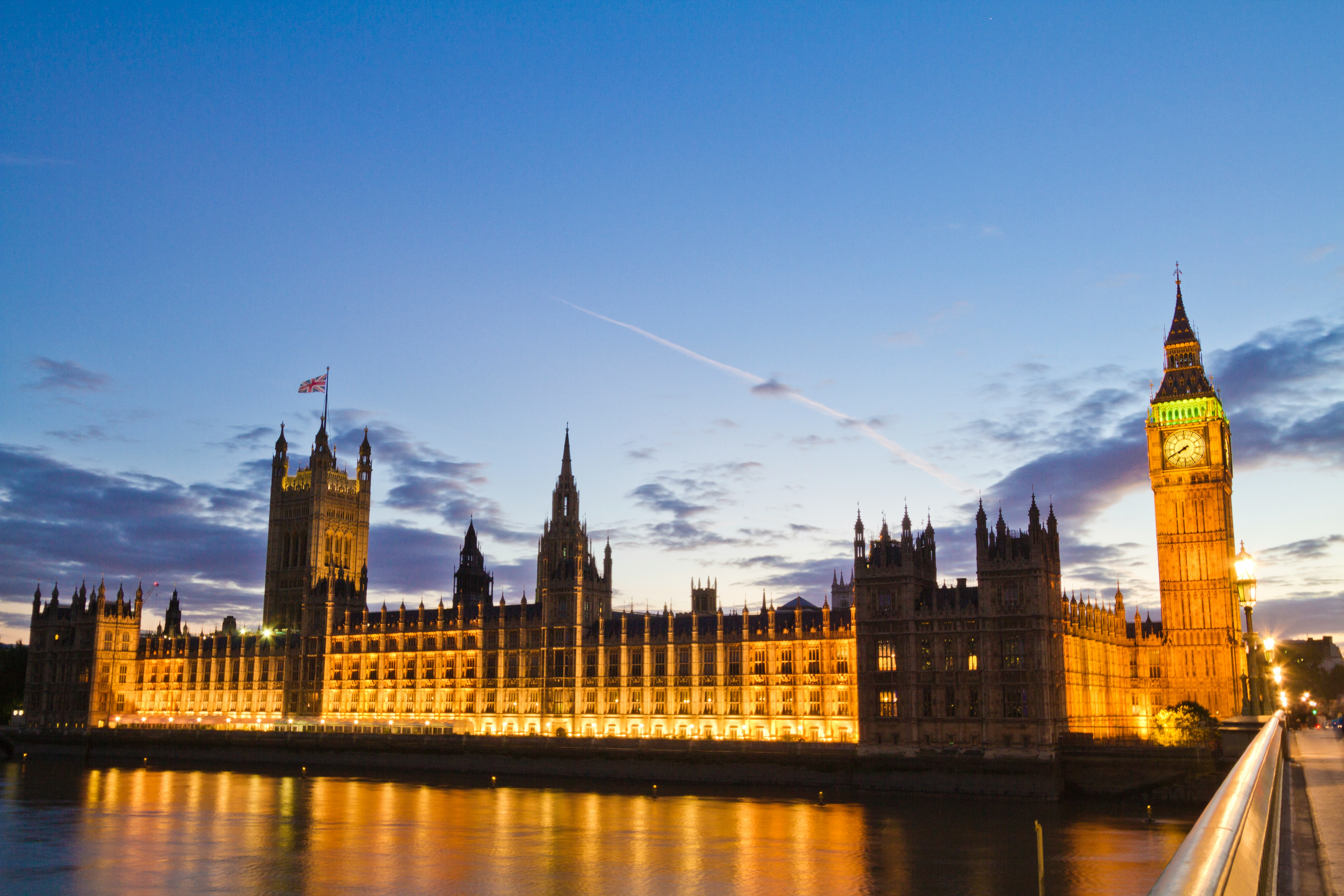
Over just one week, the UK local elections generated:
These figures point to a conversation operating at mass scale. Far from being limited to political insiders, the elections are capturing widespread public attention, with content reaching well beyond those actively posting.
The volume of impressions, in particular, highlights the amplification effect of social platforms. A relatively concentrated group of users is generating content that is then distributed to vast audiences, reinforcing the role of social media as a primary channel for political visibility.
For communications professionals, this positions elections as high-intensity attention events, comparable to major brand moments or reputational crises.
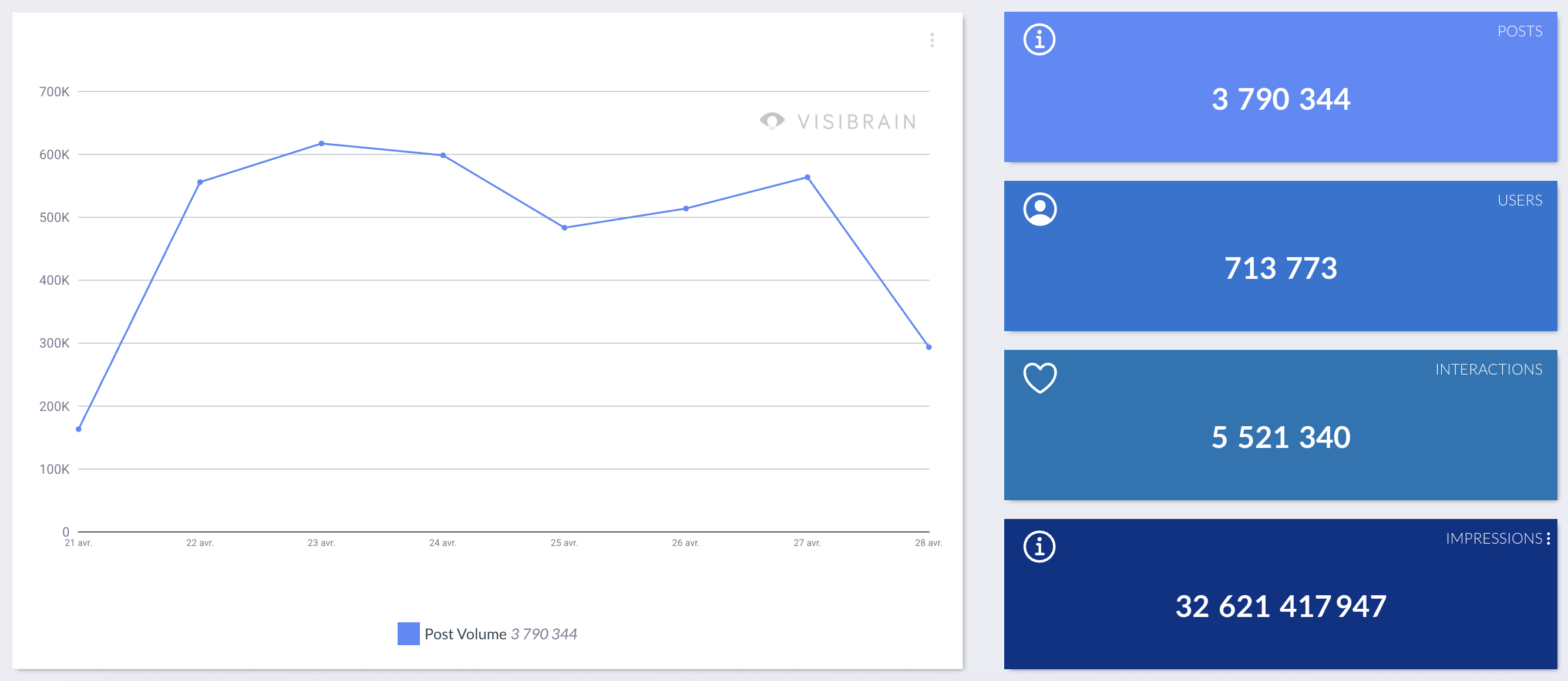
While volume indicates reach, sentiment reveals how audiences are reacting.
Analysis shows that 39.2% of conversations are negative, signalling a discourse that is notably critical in tone.
This negativity is driven by several overlapping factors:
Rather than policy-led debate, much of the conversation is emotion-driven, with frustration, scepticism, and opposition fuelling engagement.
For PR and communications teams, this has direct implications. Negative content is inherently more shareable, meaning that critical narratives are more likely to gain traction and shape perception at scale. Monitoring sentiment in real time is therefore essential to identify emerging risks and respond effectively.
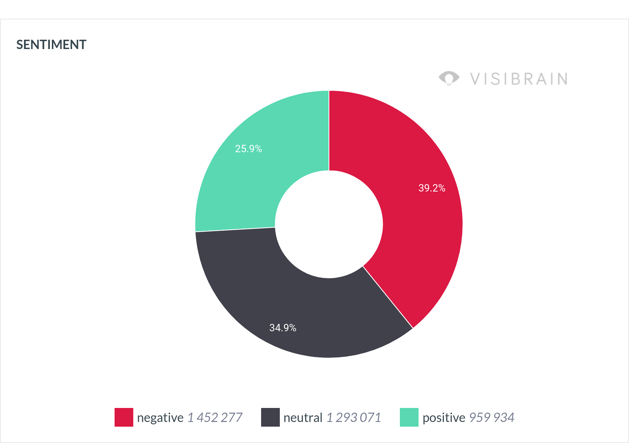
The hashtag landscape provides further insight into how the conversation is structured.
At first glance, it reflects a mix of political messaging, leadership-focused discussion, and media-related commentary. However, a closer look reveals a fragmented and highly polarised environment.
Several key dynamics emerge:
Challenger visibility is rising
Hashtags such as #reformuk and #reform are among the most prominent, indicating that Reform UK is successfully driving visibility and engagement online. This suggests a strong capacity to mobilise digital audiences and insert itself into the broader conversation.
Leadership dominates the narrative
A significant portion of hashtags focus on Keir Starmer, including more adversarial tags such as #starmerout and #starmerlies. This reflects a shift towards personality-driven discourse, where political debate centres on individuals rather than policies.
Media is part of the debate
Hashtags such as #bbcqt, #bbcbreakfast, and #bbcbias highlight the role of traditional media, particularly the BBC, as both a catalyst for and a subject of online discussion. Coverage is not simply consumed; it is actively debated, criticised, and reframed by users.
Taken together, these elements point to a conversation that is not unified around core local issues, but instead shaped by competing narratives, emotional reactions, and external influences.

The most engaging content offers a clear illustration of what drives visibility within this environment.
Across the top-performing posts, several consistent patterns emerge:
Allegations and political attacks gain traction
Posts targeting Keir Starmer, particularly those framed around accusations or perceived inconsistencies—generate significant engagement. The use of direct, emotive language simplifies complex issues into shareable narratives.
Institutional distrust fuels engagement
Content questioning public processes or organisations resonates strongly with audiences. Allegations, whether verified or not, tend to prompt discussion, replies, and amplification.
Media coverage becomes a focal point
Posts criticising the BBC demonstrate how quickly broadcast moments can be transformed into online debate. Media outlets are no longer just reporting on events; they are increasingly part of the story itself.
What unites these posts is their format: they are concise, emotionally charged, and framed to provoke reaction. This type of content is particularly well suited to platform algorithms, allowing it to spread rapidly and shape the wider conversation.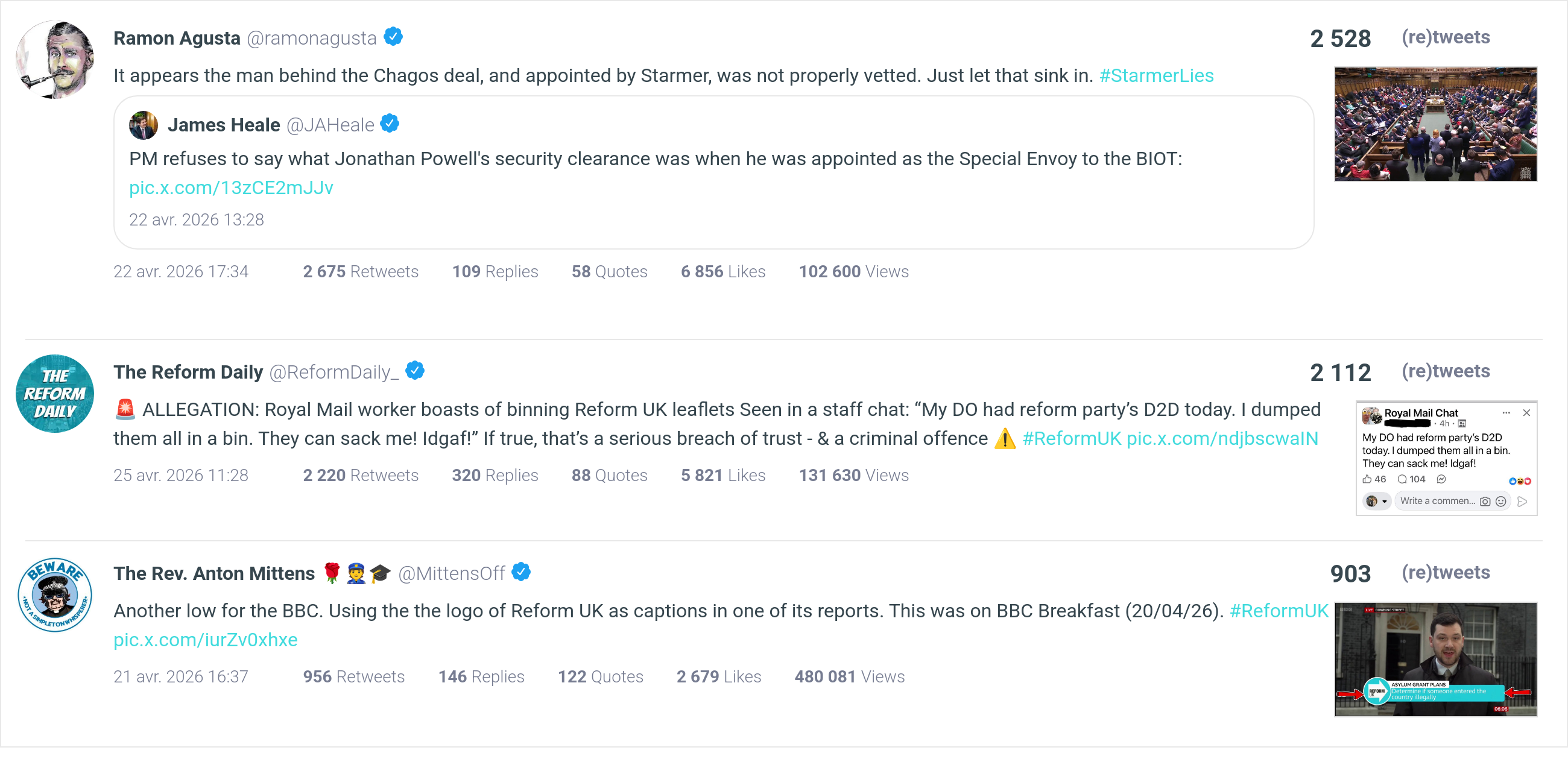
Beyond hashtags and sentiment, the data also highlights which individuals and organisations are most frequently referenced in online discussions.
Unsurprisingly, Keir Starmer dominates the conversation, accounting for 29.3% of posts among the most mentioned accounts. This reinforces earlier findings: the election discourse is highly leader-centric, with attention concentrated around a small number of political figures.
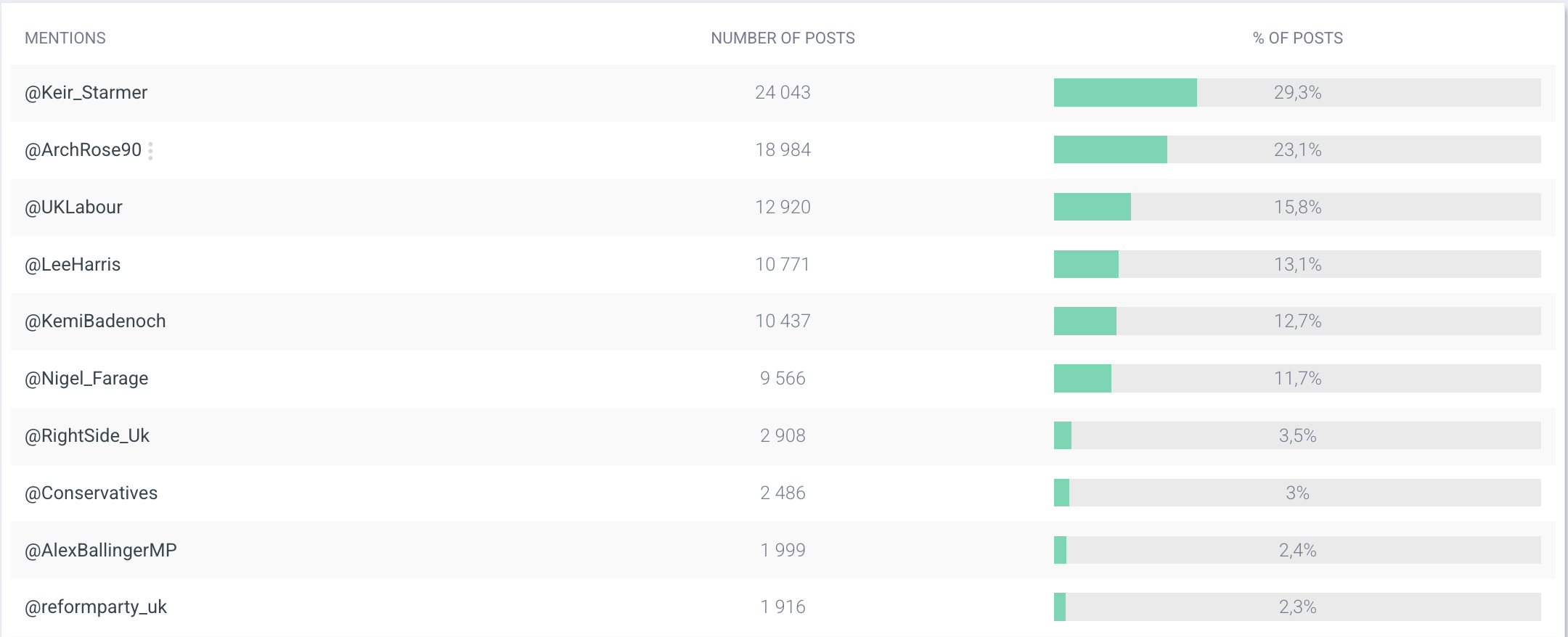
Alongside him, official party presence remains strong. The Labour Party (via @UKLabour) ranks prominently, reflecting sustained institutional visibility within the conversation.
However, the data also reveals the growing influence of non-official and media-adjacent voices. Accounts such as @ArchRose90 and @RightSide_Uk appear among the most mentioned, highlighting how political narratives are increasingly shaped by digitally native commentators and partisan accounts, rather than solely by traditional political actors.
Opposition figures also maintain a significant presence. Kemi Badenoch and Nigel Farage both feature among the most discussed individuals, illustrating how visibility is distributed across competing political forces, even when overall sentiment may skew negative.
Interestingly, the official Conservative Party account appears lower in the ranking. This suggests that, while the party remains part of the conversation, it is less central in driving online attention compared to individual figures or more disruptive voices.
The online discourse surrounding the UK local elections highlights a broader transformation in how public opinion is formed and expressed.
Conversations are:
For brands and communications professionals, the implications are clear. Major events like elections generate volatile digital environments, where narratives evolve quickly and reputational risks can emerge without warning.
No matter what your political opinions are, there is a lesson on PR woven into this: understanding online conversations in real time is essential to navigating today’s media landscape.
Newsletter
.png?width=1090&height=1330&name=CTA%20newsletter%20(1).png)