Reputation Management
Effortlessly and accurately track the web and social network impact of your brand

Why Visibrain
Our Coverage
The best coverage across the web and social networks
Our Technology
Our intuitive interface uses cutting-edge technology
Our Support
Our team is with you every step of the way
Featured
5 Easy Steps to choose the Right Social Listening Tool

Learn more
Our clients
Brands
Visibrain for brands
Institutions & Local Authorities
Visibrain for institutions and local authorities
Agencies
Visibrain for agencies
Success Stories
Discover how our clients use Visibrain
Client stories
How LVMH is using LinkedIn monitoring to boost its influence with Visibrain

Read the case study
Resources
Blog
Stay up to date
White Papers
Studies, industry analysis and advanced insights
Case studies
Our client stories
Help center
Guides and resources for users
Newsletter
Stay up to date with the latest Visibrain news!
Webinars
Our upcoming webinars.
Our Last Study
Employee Advocacy Tracking Toolkit

Download the full guide
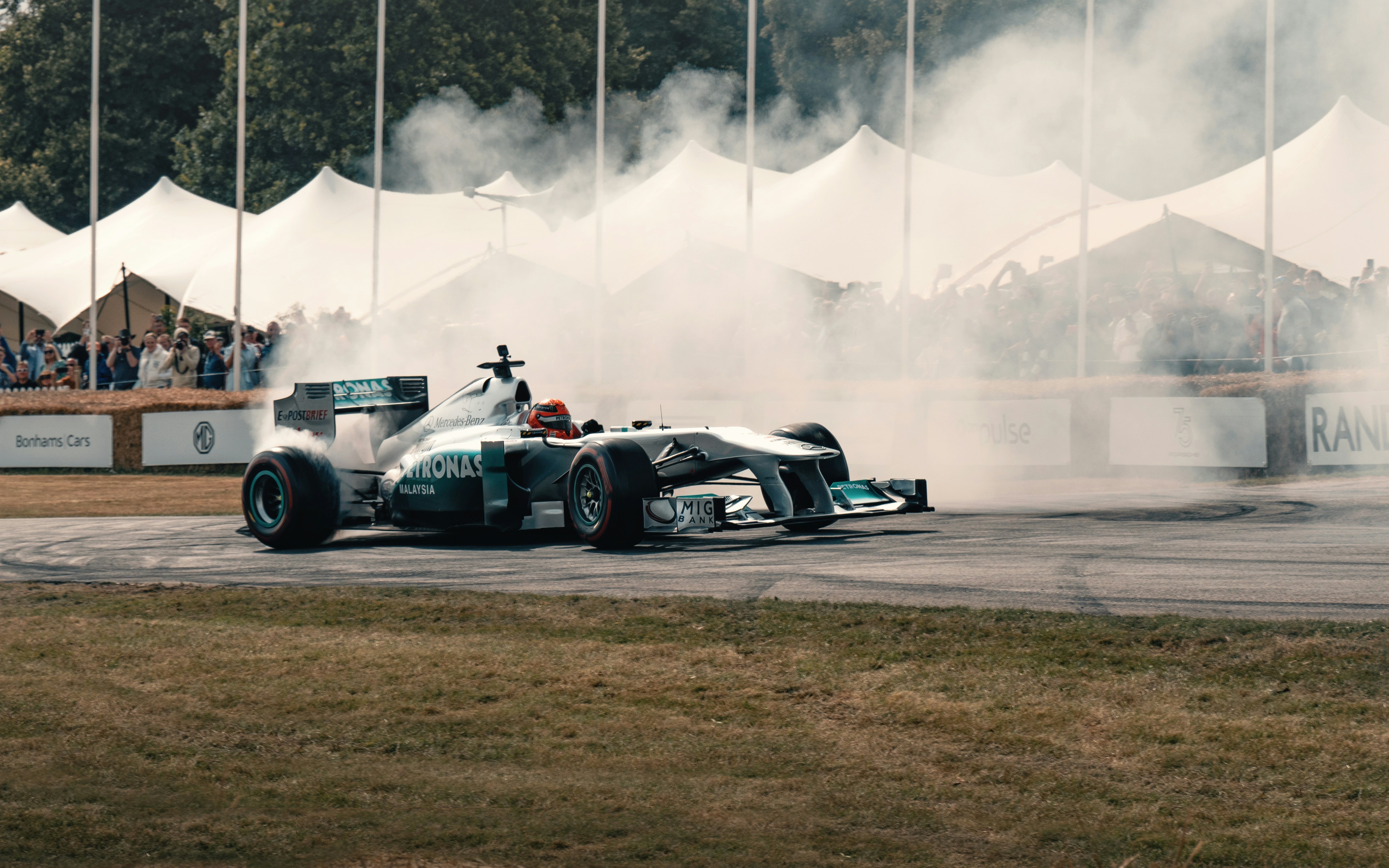
Let’s begin with a bit of history. Throughout the past decades, Formula 1 has transformed from a niche sport for engineers and daredevil racers into a global entertainment and technology industry driven by billion-dollar stakes. Long dominated by legendary manufacturers like Ferrari, Renault, and Mercedes, the sport has gradually opened up to new players and a global fanbase.
Today, F1 stands at a crossroads : between emerging markets (Azerbaijan, China, India, Qatar), technological innovation (hybrid engines, improved energy-recovery systems…), and “soft power”. A sport once seen as elitist has become a real lab for image and influence, where every decision now plays out as much on the track as in the arena of public opinion.
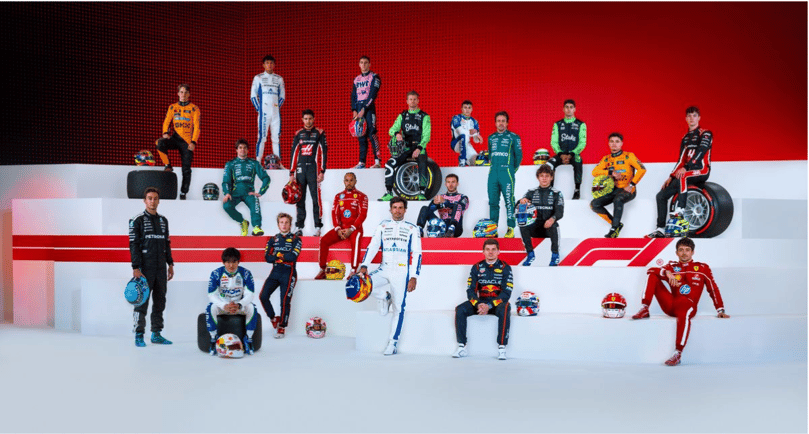
This season (again) introduced several new technical and sporting regulations, such as limits on aerodynamic testing to reduce performance gaps between teams and the removal of the point for fastest lap.
However, these rulebook changes did not generate the most backlash. Instead, the frequent penalties imposed by the FIA on drivers and teams did.
Among them, Mercedes’ controversial penalty in Bahrain for a simple pit-lane speeding infraction, as well as the introduction of new fines of up to $200,000 (around €172,000) for “inappropriate behaviour” by drivers – a measure strongly criticised in the paddock by stars like Max Verstappen and Oscar Piastri.
On social media, each FIA ruling triggers a wave of reactions, placing the institution under unprecedented scrutiny.
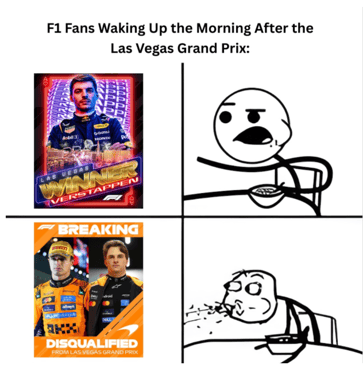
The disqualification of both McLaren cars from the 2025 Las Vegas Grand Prix is the latest example. In November, the team was stripped of its points after the race due to a minor technical non-compliance involving the floor (an aerodynamic component that channels air underneath the car to create powerful downforce and maximise cornering speed). The decision unleashed another wave of outrage online.
This surge of criticism is visible both in volume, with a spike in tweets on Sunday 23rd November starting at 10 a.m, and in the sentiment and tone of the messages

2025 Las Vegas Grand Prix: comments on X exploded in 72 hours
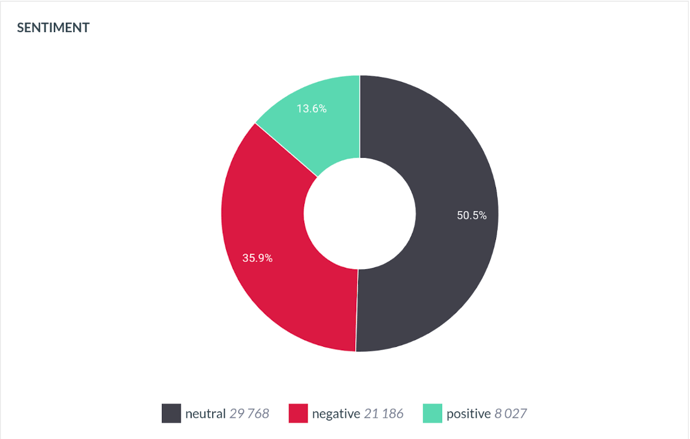
More than one in three tweets during the week of the Las Vegas Grand Prix were negative (35.9%).
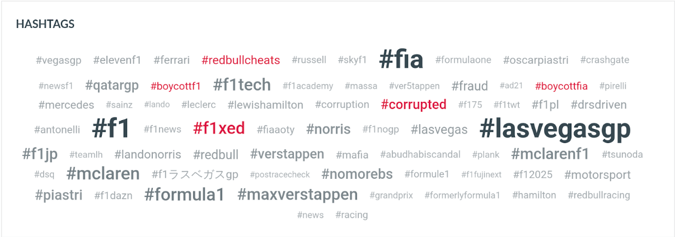
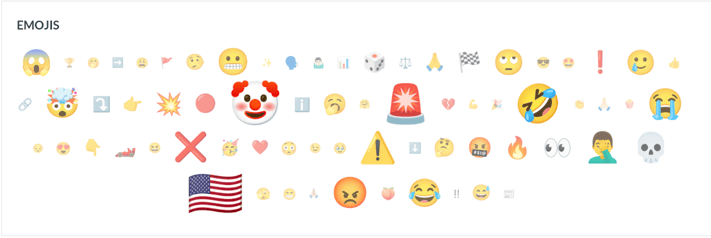
This viral backlash reflects far more than simple online noise. It reveals a deep legitimacy crisis.
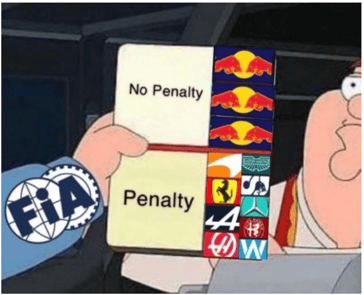
FIA decisions are increasingly viewed as contradictory and sometimes excessive. Moreover, the discontent appears to have spread to the paddock itself. Indeed, drivers, teams, and insiders now publicly denounce what they see as unpredictable governance.

Newsletter
.png?width=1090&height=1330&name=CTA%20newsletter%20(1).png)